
Reference: EMAX
Pathogen: Eimeria maxima
Description
Avian coccidiosis is caused by protozoa of Phylum Apicomplexa, fam. Eimeriidae. Although it affects several species of birds, it is in laying hens and broilers where it has the greatest impact. The disease occurs through the ingestion of sporulated oocysts.
E. acervulina, E. brunetti, E. maxima, E. mitis, E. necatrix, E. praecox and E. tenella, are accepted of being capable of infect Gallus gallus. Most of clinical outbreaks are due to mixed infections of several species of Eimeria and, therefore, lesions are observed in different areas of the intestine.
In case of E. maxima infection, a catarrhal jejunitis is observed, which only evolves to hemorrhagic diarrhea in serious processes. Jejunal mucosal petechiae as a result of the development of subepithelial oocysts are observed. The content is aqueous, pinkish and can display blood clots. Diagnosis is made with the results of the complex evaluation of the clinical picture, macroscopic lesions (type and location), histological studies and flotation. Molecular techniques such as qPCR allow faster and more reliable detection.
| Reference | Content | Presentation |
|---|---|---|
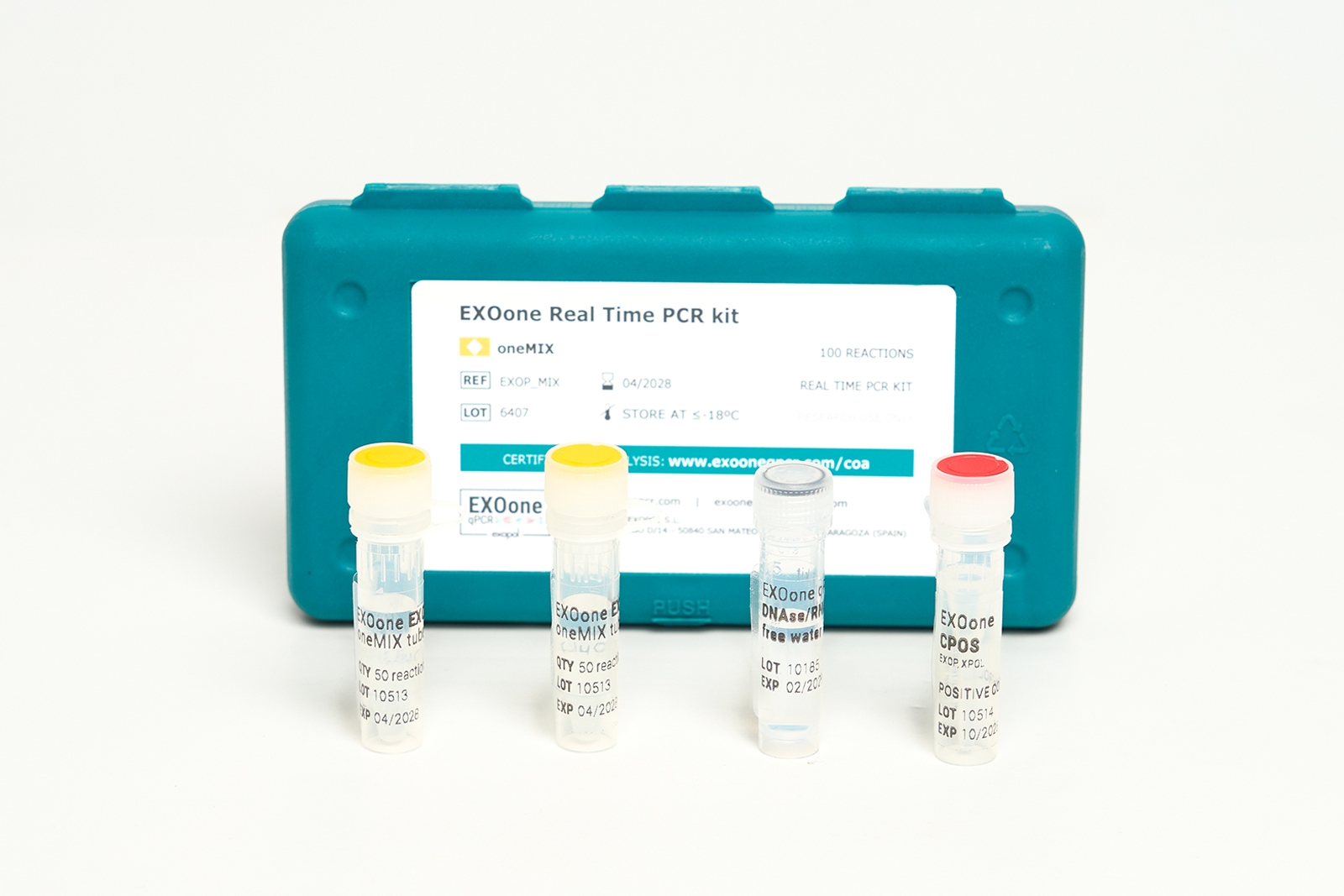
| oneMIX tube | Buffer, enzyme, dNTPs and primers/probes for pathogen and EC detection | 1 or 2 tubes · 750 µl each |
| Positive Control | Lyophilized specific synthetic DNA | 1 tube |
| Water | Molecular grade water | 1 tube (1 ml) |
* 1 tube for 50 reactions format and 2 tubes for 100 reactions format
Choose the format you need and add it to your quotation list. Our team will get back to you with a tailored offer.
| Format | Reference | Reactions | Manual | Qty | |
|---|---|---|---|---|---|
| oneMIX | EMAX_MIX | 100 rxns | EN ↓ ES ↓ |
0
|
|
| oneMIX | EMAX_MIX | 50 rxns | EN ↓ ES ↓ |
0
|
Your request has been sent successfully. We will get back to you as soon as possible.